|
NOVEMBER 2026
The Monthly Build
A newsletter for the alumni, students, faculty, staff and friends of the University of Maryland's Department of Computer Science.
|
Features
|
|
|
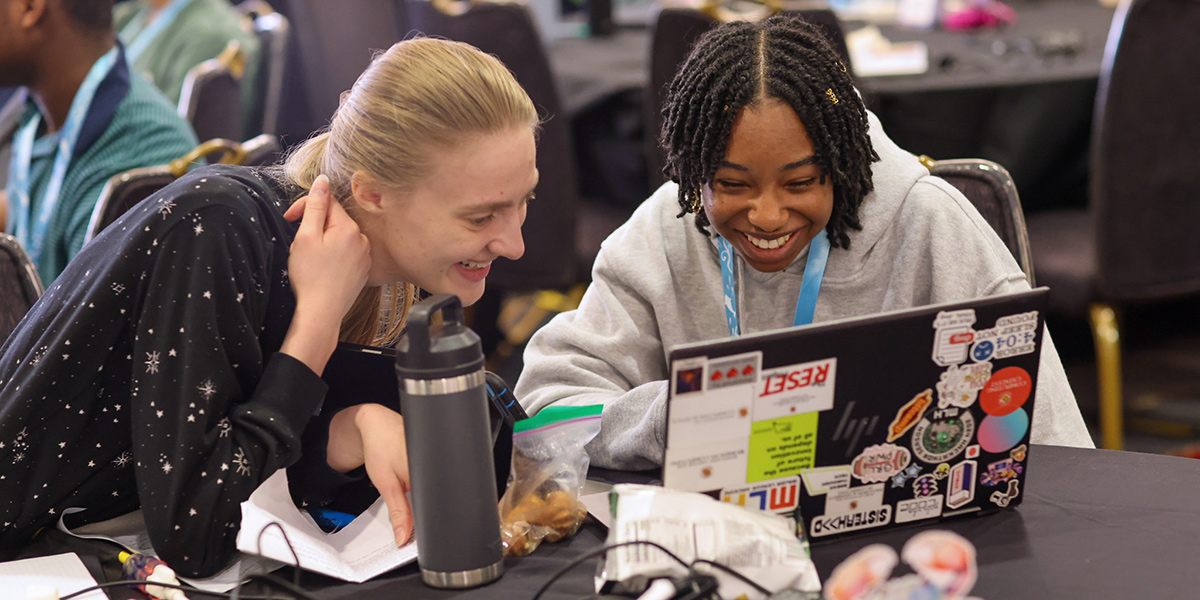
The annual hackathon brought more than 1,000 students together to develop technology projects, explore new skills and connect with industry mentors. |
|
|
|
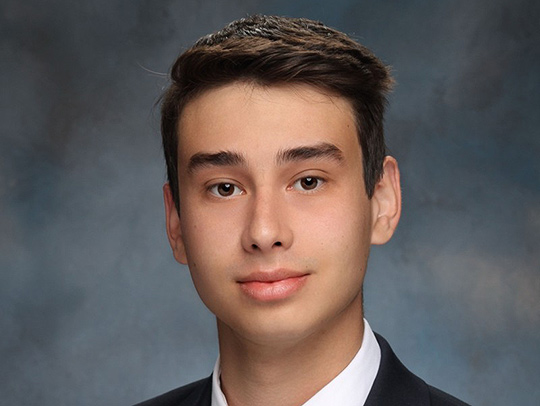
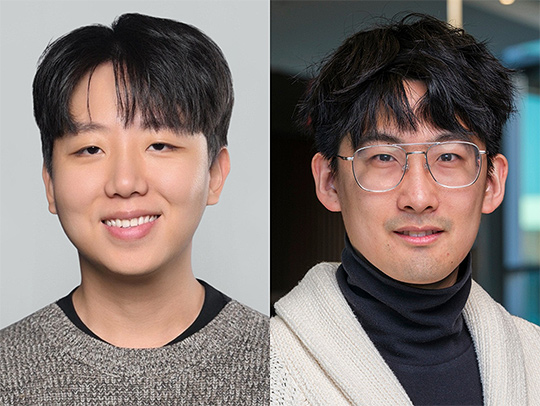
Suho Shin (Ph.D. ’26) and Zeyu Yan (Ph.D. ’26) were recognized for their research on algorithmic delegation and sustainable electronics.
|
|
 |
|
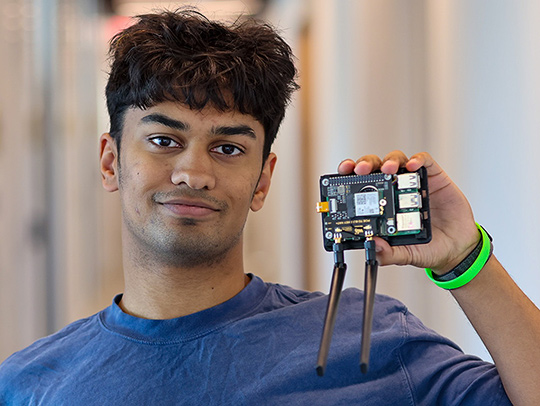
PulseFi, a 2026-27 Mokhtarzada Hatchery team, develops technology to monitor vital signs and movement patterns without wearable devices or cameras. |
|
|
Students
|
|
|
|
Eric Gilerson’s single-author paper explores a method for performing exact arithmetic within language models.
|
|
|
|
|
|
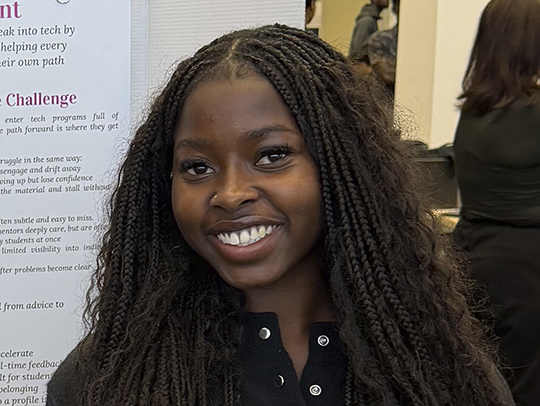
CS major Oluwatoyin Olaniyi received a “life-changing” scholarship from Brenda Fonseca (B.A. ’75, French). |
|
|
|
|
|
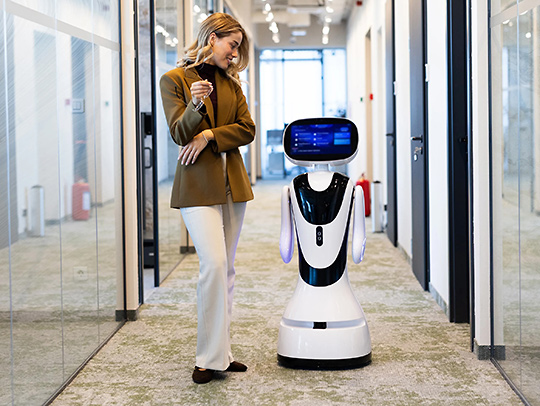
CS Ph.D. student Naitri Rajyaguru and collaborators developed polarization-based methods that help robots detect transparent and reflective surfaces. |
|
|
|
|
|
A team led by CS graduate students Zisen Shao and Zihao Wei developed AV-MSF, a system that combines visual geometry and acoustic physics to generate realistic, responsive sounds for 3D digital objects. |
|
|
Faculty and Research
|
|
|
|
He will collaborate with the University of Melbourne on artificial intelligence risks, national security and policy development. |
|
|
|
|
|
The four-year initiative will use AI and automation to support remotely accessible biomanufacturing experiments, with Liu co-leading the lab’s data and AI systems. |
|
|
|
|
|
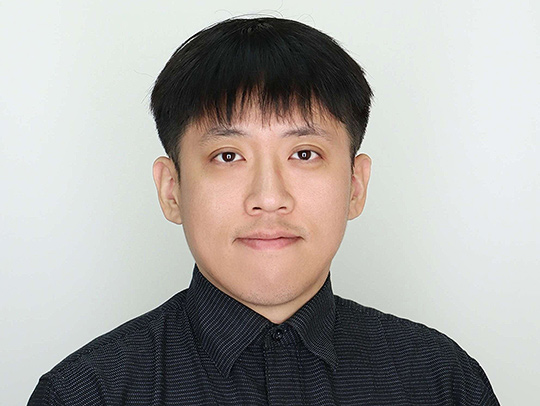
He develops methods to reduce data demands and address hardware errors in scientific computing and artificial intelligence systems. |
|
|
|
|
|
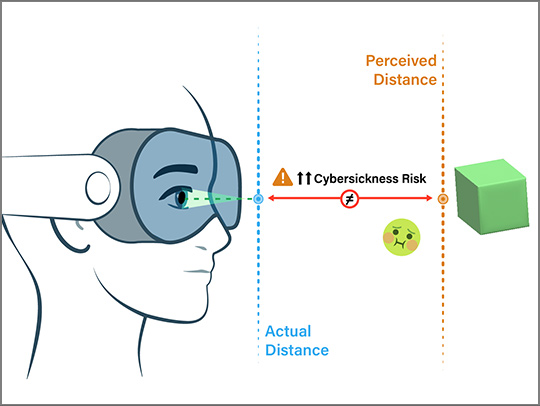
A study used EEG to identify changes in brain-wave activity that could help developers detect and reduce cybersickness in virtual and augmented reality. |
|
|
|
|
|
The projects aim to predict hospital readmissions in high-risk heart failure patients and establish reliable methods for evaluating AI-enabled medical imaging systems. |
|
|
|
|
|
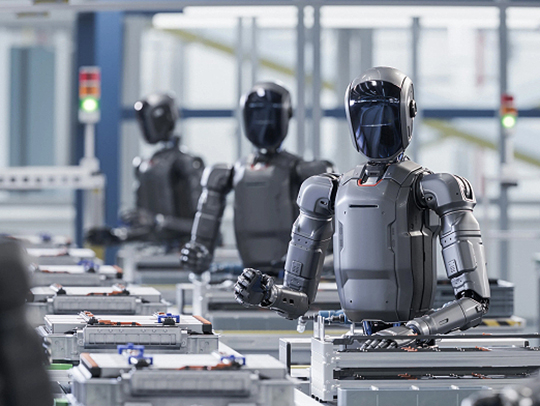
Furong Huang and Jia-Bin Huang developed μ₀, an AI world model that learns motion patterns from videos to help robots perform physical tasks. |
|
|
ALUMS
|
|
|
|
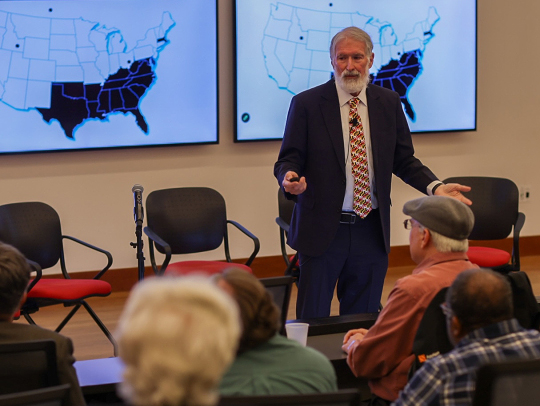
Glenn Ricart (Ph.D. ’80) and former researchers revisit UMD’s role in developing early internet infrastructure and connecting academic institutions across the country. |
|
|
|
|
|
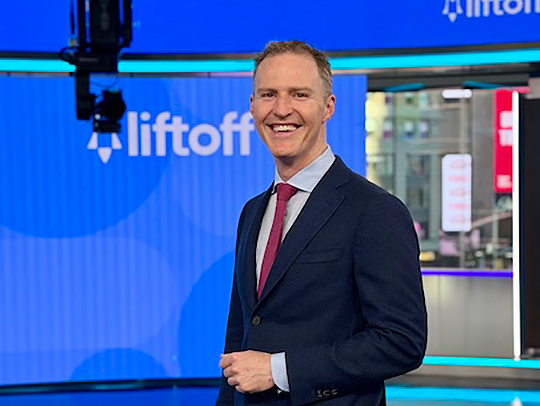
Phil Crosby (B.S. ’06) describes how his interest in technology startups led him to co-found the mobile advertising platform Liftoff. |
|
|
|
|
|
For Jacqueline Deprey (B.S. ’20), a personal loss and an interest in problem-solving inspired Perpetua, a digital toolkit designed to simplify estate settlement. |
|
|
|
|
Events
|
THURS
NOV
12
Explore how AI is transforming the workforce, connect with industry leaders and recruiters, and discover student-led projects at the Department of Computer Science’s inaugural AI Premier event.
|
SURVEY
|
|
The Computing Research Association seeks input from industry professionals on how AI is reshaping hiring expectations and the skills computing graduates need. The 20-minute survey will help inform academic curricula and workforce preparation.
|
|
|
We are grateful to alumni and friends whose generosity supports current and future students. To learn more about how you can make a difference, please visit cs.umd.edu/giving.
|
|