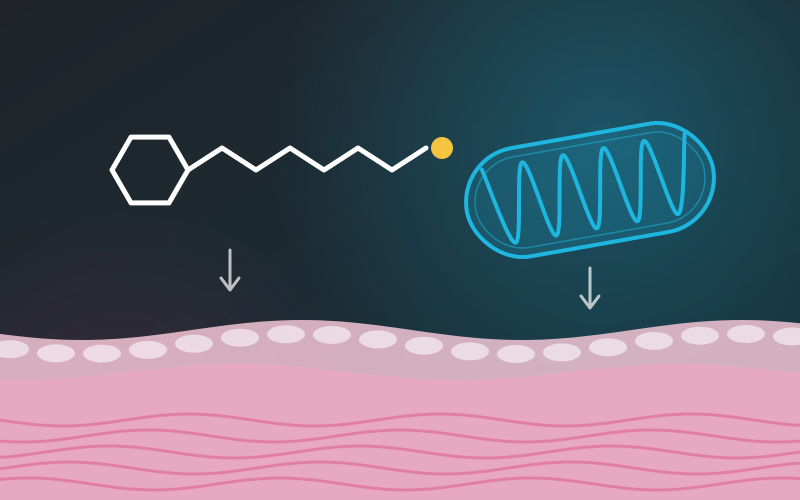
Methylene blue is a small, intensely blue molecule with a surprisingly long history in medicine. First synthesized in the nineteenth century, it has been used in laboratory staining, diagnostic procedures, and the treatment of certain medical conditions. Today, researchers are exploring another intriguing aspect of this molecule: its ability to influence cellular energy metabolism and oxidative stress.
As a scientist studying cellular aging and mitochondrial biology, I have been particularly interested in how methylene blue interacts with the fundamental processes that keep our cells functioning.
Why mitochondria matter in aging
Mitochondria are often described as the powerhouses of the cell. Their primary function is to produce ATP, the energy currency that supports almost every biological activity, from muscle contraction to cellular repair.
But mitochondria do much more than generate energy. They participate in cellular signaling, regulate oxidative stress, and help determine how cells respond to environmental challenges.
As we age, mitochondrial function can become less efficient. This can contribute to increased oxidative damage, impaired cellular repair, and declining tissue function.
Understanding how to preserve mitochondrial health has therefore become an important area of aging research.
What makes methylene blue interesting?
Unlike conventional antioxidants that primarily neutralize reactive molecules, methylene blue has redox properties that allow it to participate in electron-transfer reactions.
Under certain experimental conditions, methylene blue can accept and donate electrons, potentially influencing mitochondrial electron transport and the generation of reactive oxygen species.
This makes it particularly interesting because oxidative stress is not simply a matter of having too many free radicals. Healthy cells require a delicate balance between energy production, redox signaling, and antioxidant defenses.
The goal is not to eliminate reactive oxygen species, which also serve important signaling functions, but to maintain cellular balance.
What our research has revealed
In our laboratory, we have investigated how methylene blue affects human skin cells, particularly fibroblasts, which play an essential role in maintaining the skin's structural integrity.
Our published research has shown that methylene blue can improve several indicators of cellular health in experimental models, including mitochondrial function and responses to oxidative stress.
We have also observed effects on cellular characteristics associated with aging and on processes involved in maintaining the skin's extracellular matrix.
These findings suggest that mitochondrial metabolism may be an important target for understanding and potentially modifying certain aspects of skin aging.
However, laboratory observations do not automatically translate into clinical benefits. Additional studies are needed to determine how these cellular effects influence long-term tissue health in humans.
Inside the body versus on the skin
An important distinction is how methylene blue is delivered.
When administered systemically, methylene blue can affect multiple organs and biological pathways. It is an established prescription treatment for acquired methemoglobinemia, but other proposed uses remain under investigation. Systemic exposure also carries important risks, including drug interactions and complications in people with G6PD deficiency.
Topical application presents a different scientific question.
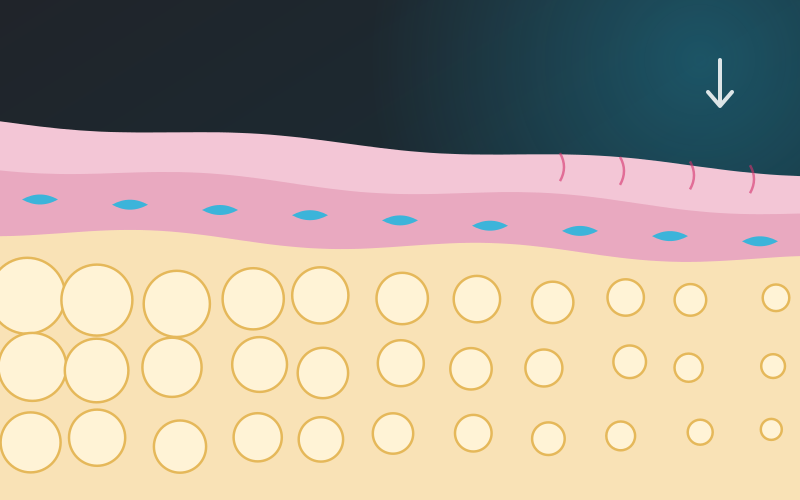
The skin is both a protective barrier and a biologically active organ. Applying a compound directly to the skin may allow researchers to investigate local cellular responses while limiting, though not necessarily eliminating, systemic exposure.
The effects depend on concentration, formulation, penetration, and exposure conditions. Methylene blue can also behave differently under illumination, making photochemical context particularly important.
A broader lesson about healthy aging
What fascinates me most about methylene blue is not simply the molecule itself, but the biological principle it helps illustrate.
Aging is not driven by a single pathway. It involves interconnected changes in mitochondrial metabolism, oxidative stress, cellular signaling, and tissue repair.
By studying molecules that influence these processes, we can better understand how cells maintain their function over time.
Methylene blue provides one useful window into this complex biology. Whether and how its cellular effects can be translated into meaningful health benefits remains an active scientific question.
The future of healthy aging may depend less on targeting individual symptoms and more on understanding the cellular systems that keep tissues resilient.
This article is for general educational purposes and is not medical advice. Please talk with a qualified healthcare provider about any treatment decisions.

Dr. Cao is an aging scientist, inventor, and professor in the Department of Cell Biology & Molecular Genetics at the University of Maryland. Meet the team