Hair thinning is one of the most visible changes associated with aging. Although it is often considered primarily a cosmetic concern, hair loss reflects complex biological processes involving stem cells, hormones, cellular metabolism, and tissue regeneration.
As a researcher interested in aging and regenerative biology, I find hair follicles particularly fascinating because they are among the few organs in the human body that repeatedly undergo cycles of growth, regression, and renewal.
Understanding this remarkable regenerative system may provide insights that extend well beyond hair biology.
Hair follicles are miniature regenerative organs
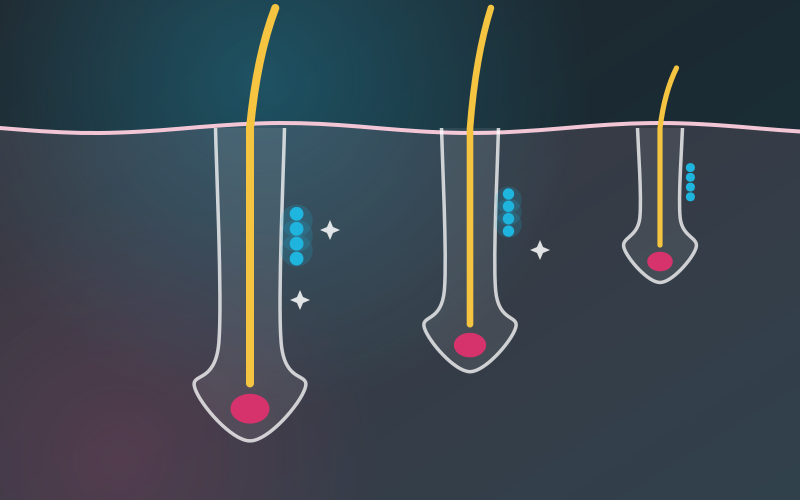
Each hair follicle follows a cycle consisting of three principal stages:
- Anagen: The active growth phase, during which hair fibers are produced.
- Catagen: A brief regression phase, when the lower follicle undergoes controlled remodeling.
- Telogen: A resting phase, followed by hair shedding and the beginning of a new cycle.
The length of these phases varies by body region, age, genetics, and physiological conditions. Scalp hair can remain in the growth phase for years, which is why it can reach considerable lengths.
The importance of hair follicle stem cells
One of the most remarkable features of hair follicles is their population of resident stem cells. These cells, located primarily in a specialized region called the bulge, help regenerate the lower portion of the follicle during each new growth cycle.
Hair follicle stem cells do not function independently. They respond to signals from surrounding cells, including the dermal papilla, immune cells, and other components of the follicular environment.
Among the most important signaling pathways involved in hair regeneration is the Wnt/β-catenin pathway.
This pathway plays a central role in follicle development and the regulation of hair growth. Properly coordinated Wnt signaling helps support the transition from resting to active growth.
What changes with age?
As hair follicles age, several biological processes can contribute to thinning.
Stem cells may become less responsive to regenerative signals, while changes in the surrounding tissue environment can interfere with normal follicle cycling.
Hormonal factors, genetic susceptibility, inflammation, and oxidative stress can also influence hair growth.
In androgenetic alopecia, for example, susceptible follicles progressively miniaturize, producing thinner and shorter hairs.
Other forms of hair loss have different causes, including autoimmune disease, nutritional deficiencies, thyroid disorders, medication effects, and physical or emotional stress.
These distinctions matter because effective treatment depends on identifying the underlying mechanism.
Methylene Blue, Wnt/β-Catenin Signaling, and Hair Follicle Stem Cell Activation
One of the most exciting developments in hair regeneration research is the growing understanding of how cellular metabolism interacts with the signaling pathways that control hair follicle stem cell activity.
Among these pathways, Wnt/β-catenin signaling plays a central role in initiating hair follicle regeneration. Activation of this pathway promotes the transition of hair follicles from the resting (telogen) phase into the active growth (anagen) phase. β-Catenin functions as a key signaling mediator, helping regulate the expression of genes involved in stem cell activation, proliferation, and follicular regeneration.
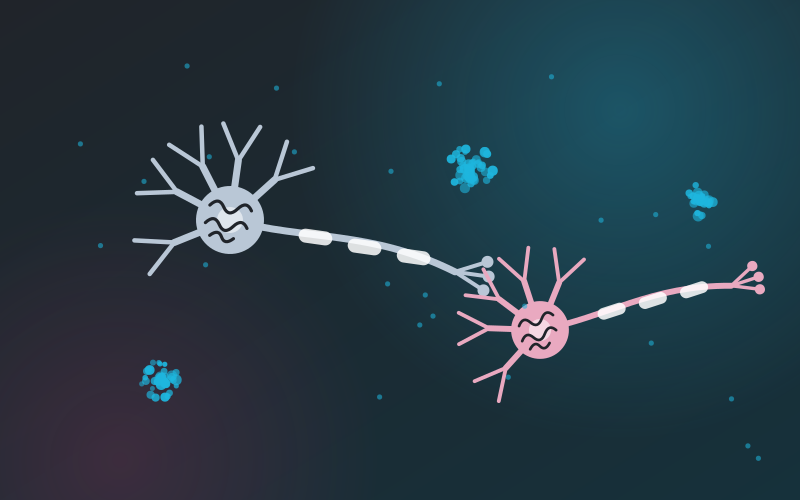
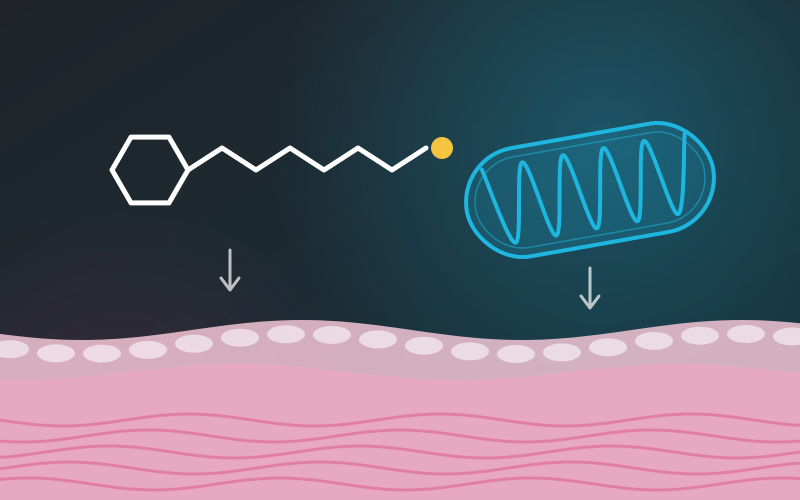
Our laboratory has been investigating whether methylene blue, a redox-active molecule known for its effects on mitochondrial function and oxidative stress, can influence these regenerative processes.
In our recent research, we found that methylene blue enhances Wnt/β-catenin signaling and promotes hair follicle stem cell activation in experimental models. These findings suggest that methylene blue may influence hair regeneration not only through its effects on cellular metabolism but also by modulating the molecular pathways that regulate stem cell behavior.
Interestingly, these effects share certain functional similarities with minoxidil, one of the most widely used treatments for androgenetic hair loss. Minoxidil promotes hair growth through several proposed mechanisms, including effects on potassium channels, growth-factor signaling, and the hair-growth cycle. Wnt/β-catenin signaling may also contribute to its activity.
Our experimental findings suggest that methylene blue and minoxidil may act through partially overlapping but distinct mechanisms. This raises the possibility that their effects could be complementary, potentially enhancing hair follicle activation and regenerative responses.
However, it is important to distinguish laboratory findings from clinical evidence. Although minoxidil has demonstrated efficacy in human clinical studies, the ability of methylene blue to improve hair growth in humans requires further investigation.
These findings illustrate a broader principle in regenerative biology: supporting stem cell function may require both a favorable metabolic environment and activation of the molecular signals that initiate tissue renewal.
Why does hair shedding sometimes increase seasonally?
Some studies have reported seasonal variations in hair shedding, with increased shedding observed in late summer or early autumn in certain populations.
One possible explanation involves changes in the proportion of follicles entering the resting phase at different times of year.
However, seasonal patterns are not universal, and their biological mechanisms remain incompletely understood.
Hair shedding can also increase several months after a physiological stressor, including illness, surgery, rapid weight loss, or significant nutritional changes. This condition is commonly known as telogen effluvium.
Unlike gradual follicle miniaturization, telogen effluvium often improves when the underlying trigger resolves, although recovery can take months.
The future of hair regeneration research
Traditional approaches to hair loss have focused on hormones, circulation-related signaling, and maintaining follicles in the growth phase.
Regenerative biology is expanding the questions we can ask.
Can we preserve the regenerative capacity of aging hair follicle stem cells? Can we improve their response to signals from the surrounding tissue? Can we support the cellular environment necessary for repeated cycles of growth? These questions connect hair biology to broader themes in aging research. Hair follicles offer an accessible model for studying how stem cells maintain tissue regeneration throughout life and why that capacity declines.
This article is for general educational purposes and is not medical advice. Please talk with a qualified healthcare provider about any treatment decisions.

Dr. Cao is an aging scientist, inventor, and professor in the Department of Cell Biology & Molecular Genetics at the University of Maryland. Meet the team